GPCR Dysfunction in Schizophrenia: Role of Serotonin and Dopamine Receptors
Sona Patel, sonap@usf.edu
Project Coordinator: Darya Shirzad, daryashirzad@usf.edu
USF College of Arts and Science
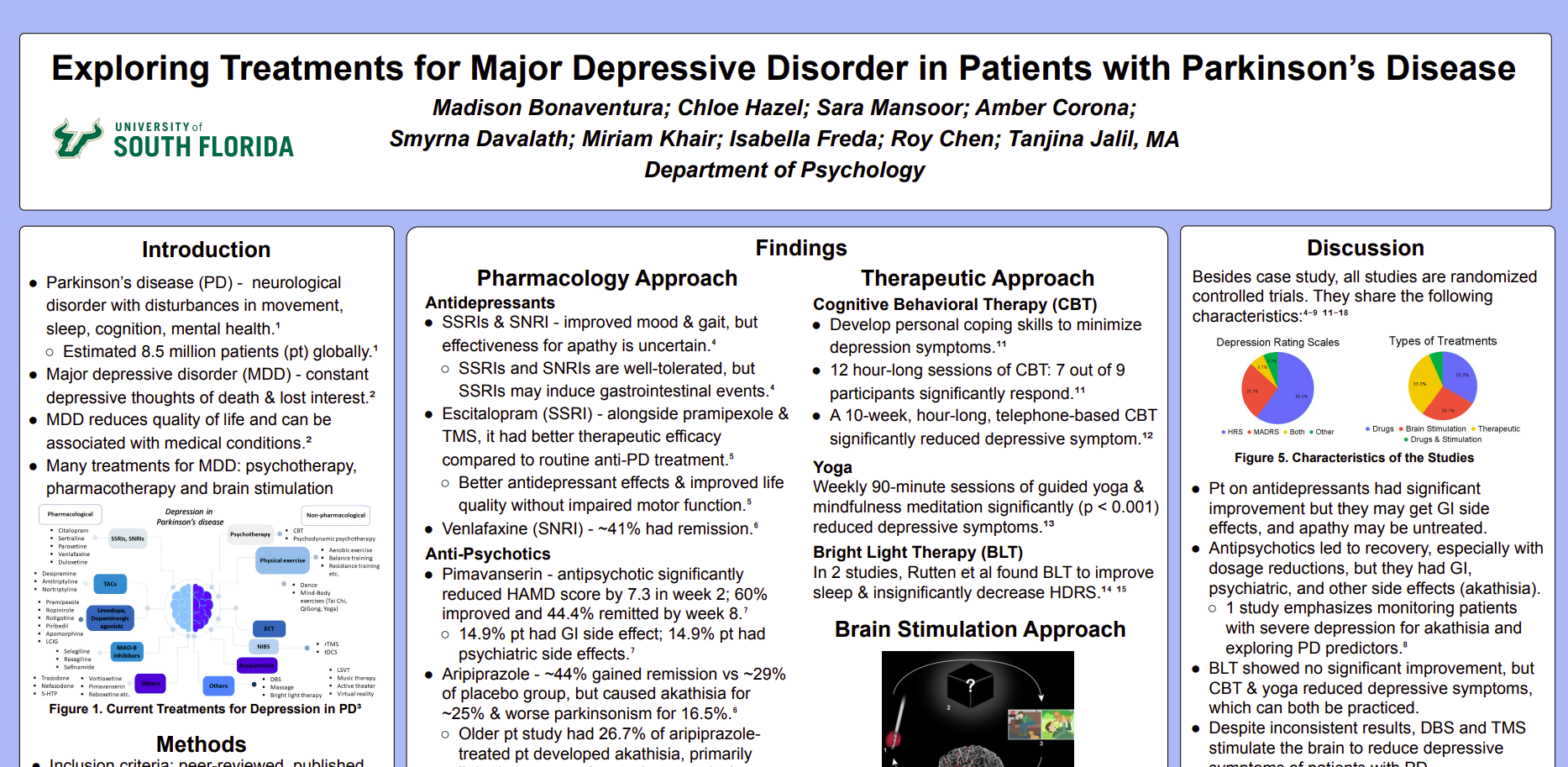
Schizophrenia is a complex illness with diverse neurological symptoms. The disorder is strongly related to G-protein coupled receptor (GPCR) dysfunction, due to dysfunctional limbic systems and brainstem alterations. Key receptors, including serotonin (5-HT) and dopamine (DA), exhibit functional deficits in schizophrenic patients, leading to neurotransmitter imbalances and symptom variability. This review explores how structural and functional insights into GPCR signaling enhance understanding of schizophrenia, particularly in serotonin and dopamine pathways, and support the development of therapeutic treatments. A literature review was conducted using PubMed, including 23 peer-reviewed articles from the last decade. Keywords included “G protein-coupled receptors,” “GPCRs,” “schizophrenia,” “5-HT receptors schizophrenia,” and “D2 receptor dysfunction schizophrenia.” Recent findings identify 5-HT2A and 5-HT2C receptors as promising targets for newly developed therapeutics. Treatments targeting D2 receptors alone have proven insufficient for most schizophrenic patients. Additionally, 5-HT2B receptors show therapeutic potential. Multifunctional compounds targeting multiple receptors may improve treatment efficacy. Studying the interactions between allosteric sites and GPCRs helps clarify their role in disease development. However, targeting specific receptors remains difficult due to the complex nature of these proteins and their subtypes. Further research is needed to better understand the structures of GPCRs and their interactions with ligands, which could lead to more effective treatments. Structural insights into GPCR abnormalities can deepen our understanding of schizophrenia's neurobiology. Targeting post-receptor sites could offer relief, as alterations in GPCR signaling contribute to schizophrenia. However, the unique signal transductions of GPCRs complicate the drug development process, and developing clinically proven treatments remains a challenge.
Treatment of Atrioventricular Nodal Reentrant Tachycardia: A Comparison of Radiofrequency and Cryo Ablation
Logan Altvater, foster27@usf.edu
Santino Arroyo, sca23@usfedu.mail.onmicrosoft.com
Faris Hassan, fhassan1@usf.edu
Mitali Chaudhari, mitalic@usf.edu
Ethan Joseph, ethanjoseph@usf.edu
Zaynaa Syed, syed15@usf.edu
Vaniza Atiq, vanizaatiq@usf.edu
Niveditha Chandrakanth, nchandrakanth@usf.edu
Andrew Knight, andrewknight1@usf.edu
University of South Florida
Atrioventricular nodal reentrant tachycardia (AVNRT) is an abnormal arrhythmia resulting from faulty signaling pathways formed within and around the atrioventricular (AV) node of the heart’s electrical system. This is the most common form of supraventricular tachycardia, a condition that results in rapid heart rates ranging between 120-280 bpm. In healthy patients, electrical signals are sent from the sinoatrial node, the heart’s natural pacemaker, down from the right atrium to the AV node. The AV node acts as the connecting point between the atria and ventricles, and works to slow this initial signal down. In patients with AVNRT, this does not occur properly, leading to a signal loop and resulting in potential decreased cardiac efficiency, chest discomfort, dizziness, shortness of breath, and syncope. This type of SVT impacts nearly 100,000 individuals each year in the United States. The most common treatment for AVNRT is a cardiac ablation, a minimally invasive procedure designed to disrupt these abnormal reentrant signals from continuing. Radiofrequency (RFA) and cryoablations (CRA) are the most common ablation treatments for patients with AVNRT. RFA utilizes heat energy to burn the target tissue, while CRA utilizes liquid nitrogen to freeze the targeted tissue. Each of these result in the death of small sections of cardiac tissue, limiting the ability of the faulty signals from propagating. This report surveyed through 336 published articles, from which 12 articles were selected to be included, given they were published within the last 5 years and had sample sizes greater than 30 (n>30) if they included patient data. It was found that CRA has greater risk of recurrence than RFA, though RFA is associated with higher AV block incidence. Additionally, RFA is associated with shorter procedure time and fluoroscopy dosage, while CRA scores lower in pain perception following ablation and operator stress.
Intrinsic Motivation: Neural Mechanisms and Brain Regions
Ana Beatriz Melgar
anabeatrizm@usf.edu
University of South Florida College of Arts and Sciences
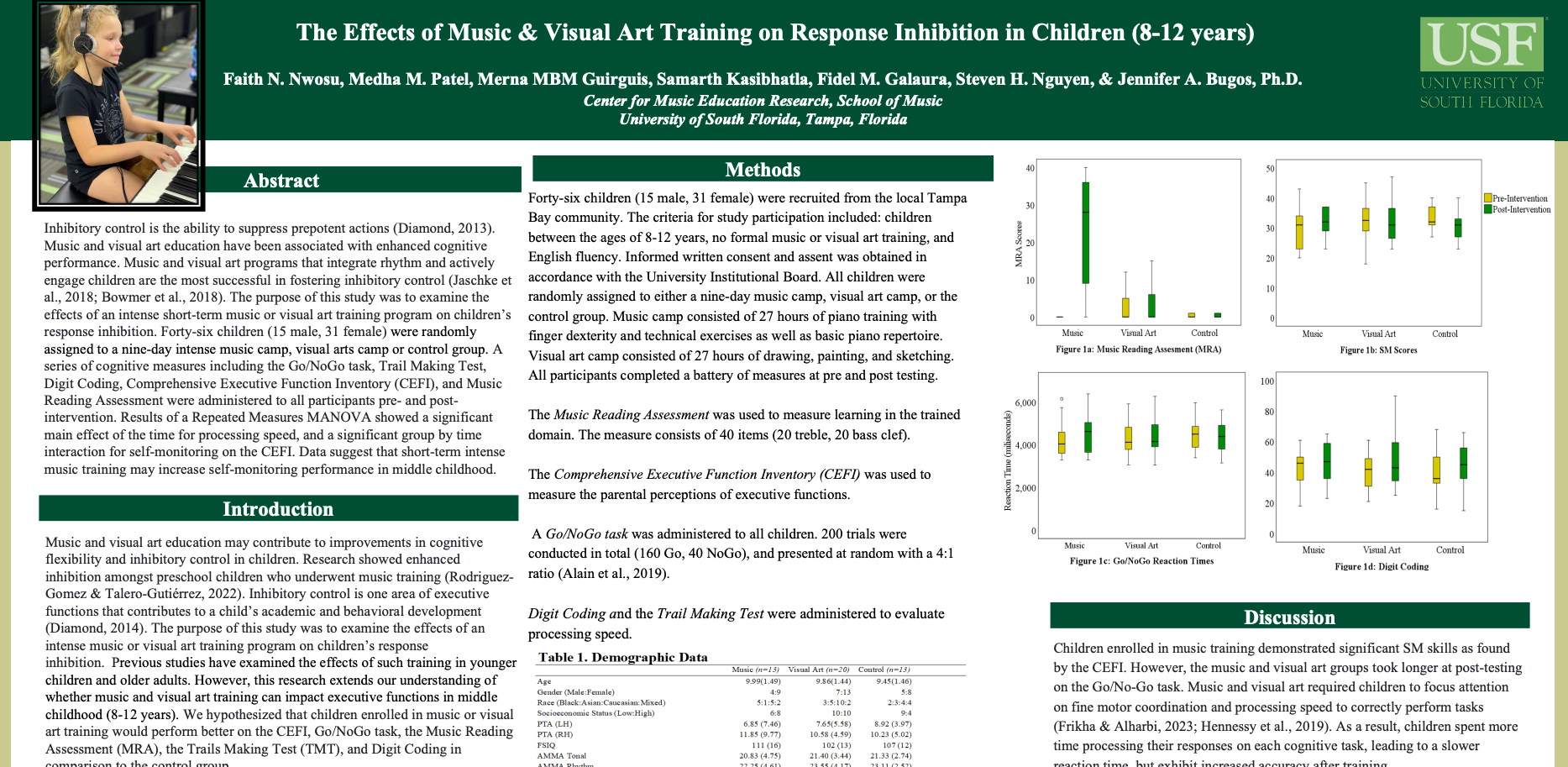
Intrinsic motivation refers to engaging in an activity for its own sake. It enhances engagement, decision-making, and well-being, leading to greater satisfaction. While they promote learning, creativity, and fulfillment, external rewards (linked to external motivation) can shift focus from the process to the outcome, diminishing well-being. This review explores the neural mechanisms underlying intrinsic motivation, particularly brain regions involved in reward processing, attention, behavior, and cognition.
A key factor in sustaining intrinsic motivation is self-determined choice. Studies show improved performance when individuals feel in control, as evidenced by reduced ventromedial prefrontal cortex (vmPFC) activation in forced-choice conditions; autonomy—a core component of Self-Determination Theory—helps maintain motivation, even in the face of failure.
Intrinsic motivation is linked to reward-related brain regions and the dopaminergic system. The Medial Frontal Cortex (MFC) responds more positively to unexpected rewards than predicted ones, highlighting the role of outcome predictability. The dopamine system plays a crucial role in learning, adjusting expectations based on experience. Regions like the dorsal striatum, Ventral Tegmental Area (VTA), Nucleus Accumbens (NAcc), putamen, and vmPFC contribute to intrinsic motivation by regulating reward processing, learning, and goal-setting.
NAcc activity increases during curiosity-driven learning, reinforcing the link between intrinsic motivation and exploration. The ACC and anterior insula (AIC) also contribute to agency and control, facilitating goal-directed behavior and reducing distractions.
Intrinsic motivation is supported by dopaminergic systems and dynamic brain networks. This review focuses on the importance of intrinsic motivation to enhance long-term psychological well-being and its neural mechanisms. More research is needed on the relations of intrinsic motivation and the dopamine system.
KidzFightingCancer: Simplifying Cancer Resources for Children
Gavriel Ngwa, Logan Rodriguez, Ariel Ngwa, Gavin Rodriguez, kidzfightingcancer@gmail.com, Ivette Rodriguez, ivetteandino@yahoo.com
GHC: Kidz Fighting Cancer
Background/Introduction: Childhood cancer education is crucial, yet age-appropriate resources are scarce. This research explores the development of accessible materials explaining cancer to children, addressing a significant need for clear information and aligning with the Cancer Moonshot's goal of improving patient quality of life.
Methods: A review of existing literature, children's materials, and online platforms was conducted to analyze current resources and identify effective strategies for communicating complex medical concepts.
Results: Analysis reveals opportunities to enhance comprehension and reduce anxiety through visual aids, simplified terminology, and narrative-based explanations. These strategies empower children and foster empathy.
Discussion/Conclusion: Accessible, age-appropriate cancer education empowers children as valuable stakeholders, fosters empathy, reduces fear, and equips them to contribute to the Cancer Moonshot. This project highlights the importance of tailored health education in creating supportive environments.
Peer Mental Health Support Programs: Barriers and a Cultural Perspective
Olivia Pinilla - oliviap18@usf.edu, Haille Skinner - hskinner36@usf.edu, Muhammad Hassam Amir - amirm3@usf.edu, Kieran Ball - ballk141@usf.edu, Rhea Joshi - joshi167@usf.edu, Vrishni Maharaj - sanjanaa1@usf.edu
University of South Florida, Global Health Catalysts
The barriers to mental health resources for college students have been traced back to stigmas surrounding an individual’s culture or financial status, even amidst the ongoing rise of mental health platforms and peer mental health programs across the world. Peer mental health support programs function to equip students to provide mental health care to others outside of a clinical setting. These programs are not treatment, but are vital to the mental wellbeing of college students, as demonstrated by an approximately 80% increase in feeling supported in students partaking in a model of this nature. This literature review will focus on conducting research on a global perspective surrounding the barriers to mental health resources for college students, as well as providing areas of improvement that could be adapted by different mental health resources to assume a more culturally relevant role. Beyond cultural competency, challenges in implementing support programs include lack of training resources and detailed research on pre-existing models of support. Programs like these can be difficult to formulate and implement as a result. Our findings can be applied to create more interpersonal and global ties to mental health resources thus expanding the impact on more populations around the world.
Impact of Subclinical Hypothyroidism on Cardiovascular Health and Quality of Life
Dea Fejzo, deafejzo@usf.edu
University of South Florida of Arts and Science
Subclinical hypothyroidism (SH) is characterized by elevated Thyroid-Stimulating Hormone (TSH) levels while free thyroxine (T4) remains normal, affecting approximately 3%-15% of the population, thus warranting further research. Method triangulation was employed to review studies from various databases, including PubMed, using targeted keywords to identify relevant research. Often caused by Hashimoto's Thyroiditis, SH is prevalent among older adults, women, and certain ethnic groups. It contributes to cardiovascular disease (CVD) through mechanisms such as dyslipidemia, endothelial dysfunction, and increased arterial stiffness, which lead to hypertension and cardiovascular strain. Research reveals a significant association between SH and an increased risk of congestive heart failure (CHF) and coronary heart disease (CHD). In children, untreated SH is linked to higher blood pressure, elevated lipid profiles, and increased arterial stiffness, emphasizing the need for monitoring and treatment to mitigate cardiovascular risks. Untreated SH patients often have high levels of total and LDL cholesterol, increasing their CVDrisk. Levothyroxine treatment can improve lipid profiles, lower blood pressure, and reduce arterial stiffness, thereby mitigating cardiovascular risks. However, treatment does not consistently enhance quality of life (QoL), with patients frequently experiencing persistent fatigue, cognitive impairment, and reduced well-being. Long-term data suggest that younger patients, males, and those with lower baseline cardiovascular risk benefit more from treatment. Understanding the complexities of SH treatment is crucial for improving long-term health and QoL in affected individuals. Further research is necessary to establish best practices for managing SH to mitigate cardiovascular risks and enhance patient outcomes.
Cadmium and Zinc Absorption Imbalance and its Impact on Inflammation and Cell Death: a Role of PANoptosis.
Reem Habib reemhabib@usf.edu, Atiksh Yadav atiksh@usf.edu, Jumana Ahmed jumanaahmed@usf.edu, Allha Akrami aakrami@usf.edu
University of South Florida College of Public Health
This literature review explores the roles of Cadmium (Cd) and Zinc (Zn) in modulating PANoptosis, inflammatory cell death, highlighting their dualism effects on cellular mechanisms. The objective is to synthesize current research on how Cd and Zn influence the initiation and progression of PANoptosis and inflammatory responses, with a focus on their molecular interactions and implications for disease pathology. This literature review compiles studies examining the interplay between Cd and Zn absorption imbalance, focusing on their roles in inflammation and cell death through the PANoptosis pathway. Cd greatly affects inflammation and cell death, including PANoptosis, by inducing oxidative stress, inflammatory cytokine production, and inflammatory pathways. Zn is seen to inhibit the accumulation of Cd due to competing for the same import pathway and hence reducing the deleterious effects of Cd and suppressing inflammatory pathways. Therefore, Zn deficiency could lead to the accumulation of Cd, leading to inflammation and PANoptosis. Cd’s promotion of inflammatory pathways and cell death contrasts with Zn’s protective effects, underscoring the importance of Zn in mitigating Cd toxicity. These findings align with existing research on the inflammatory and oxidative stress mechanisms of Cd, while emphasizing Zn’s potential as a therapeutic agent. By combining current knowledge with this review, this work highlights the need for further investigation into zinc-based interventions to address cadmium-induced cellular damage and inflammatory diseases.
The Role of SNPs in the Adiponectin Gene in LDL and HDL Metabolism and Cardiovascular Health in Type 2 Diabetes
Iman Ahmed iahmed2@usf.edu, Reeva Kotha reevakotha@usf.edu, Denny Rinaldi denny23@usf.edu, Vansh Patidar patidarv@usf.edu, Paige Lehrer lehrerp@usf.edu, Siddharth Yerrajennu ssyerrajennu@usf.edu, Pratyusha Samal samalp@usf.edu
University of South Florida College of Arts and Sciences
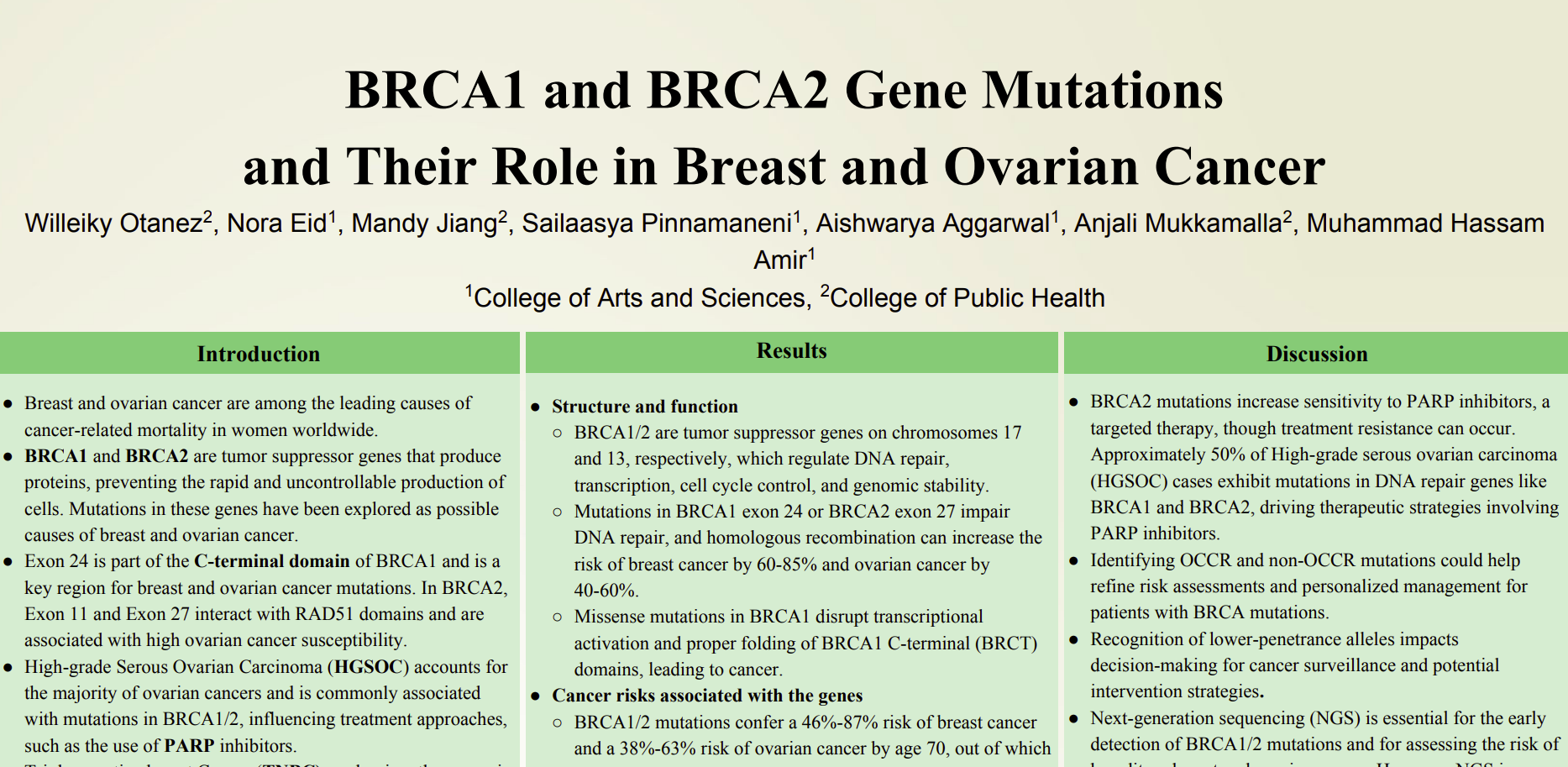
Type 2 Diabetes Mellitus is a chronic illness due to the inability to properly regulate insulin. A low concentration of adiponectin polypeptides can predict it. Single nucleotide polymorphisms, or SNPs, are instances for which there is a single nucleotide inconsistency in a particular DNA sequence from the template and are accurate indicators of metabolic and cardiovascular diseases as well. With SNPs' ability to predict metabolically implicated diseases, they can also connect to the diagnosis of T2DM. The purpose of this review is to determine if the adiponectin gene along with their respective pathways in HDL and LDL concentrations can be a driving factor in both the diagnosis of T2DM and in cardiovascular health. This systematic review followed the PRISMA protocol, identifying # relevant articles from an initial pool of studies. The single nucleotide polymorphisms (SNPs) rs2241766 and rs1501299 within the ADIPOQ gene are associated with various medical conditions, such as diabetic dyslipidemia, a condition characterized by abnormal lipid levels in individuals with diabetes. Rs2241766 is statistically linked to both diabetes and dyslipidemia, resulting in elevated triglyceride levels, reduced HDL cholesterol, and increased LDL cholesterol. Similarly, rs1501299 has been associated with reduced adiponectin levels. A major limitation of the studies is that the role of rs1501299 is not fully identified in the development of T2DM. Furthermore, the studies used have been found to have a specific population size, which can cause differing results in diet, lifestyle, and environment. In conclusion, this review highlights the potential of adiponectin-related SNPs, particularly rs2241766 and rs1501299, as biomarkers for predicting T2DM and cardiovascular risks, though further research is needed to address current study limitations. Understanding these genetic factors can allow for more targeted diagnostics and therapeutic strategies in metabolic disorders.
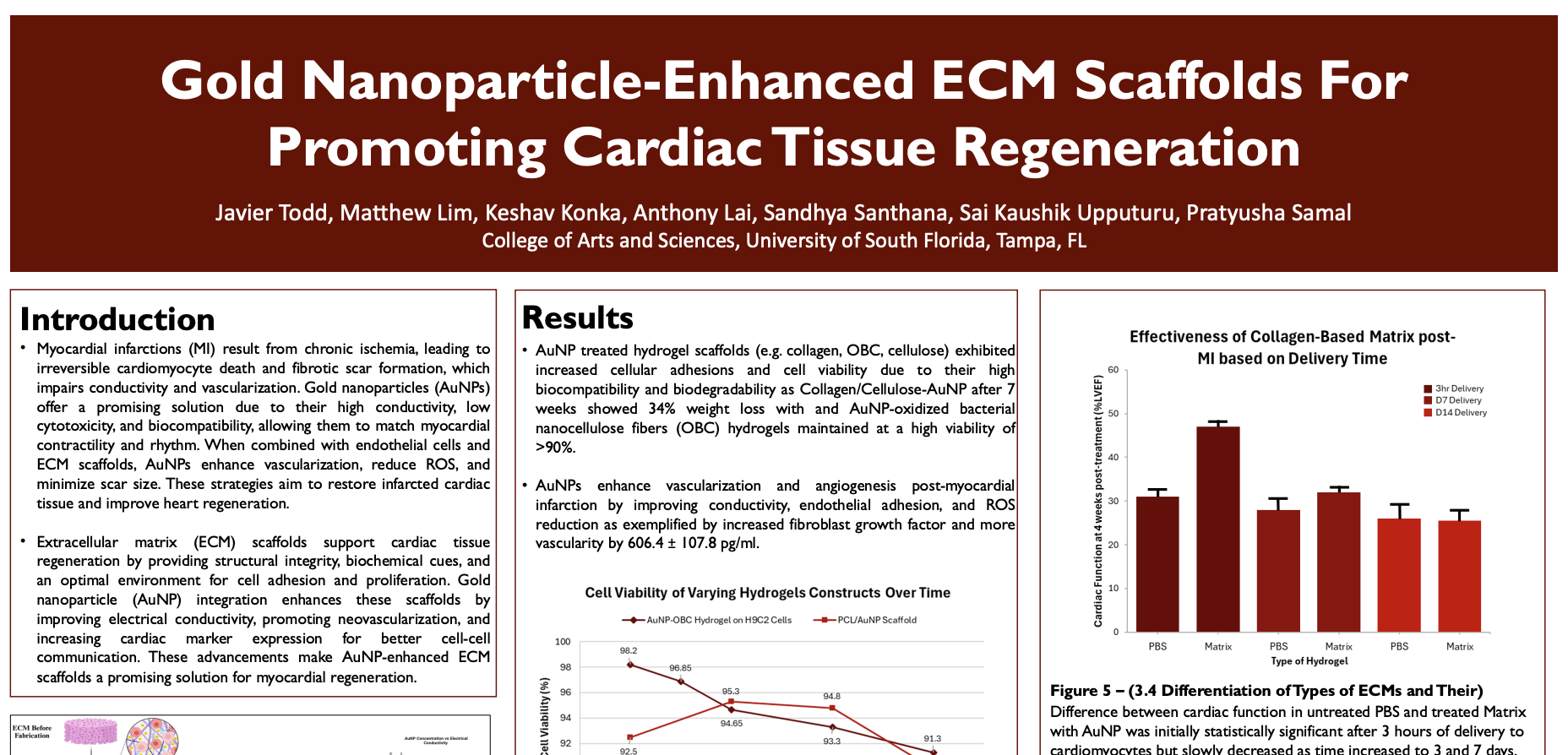
Gold Nanoparticle-Enhanced ECM Scaffolds For Promoting Cardiac Tissue Regeneration
Javier Todd javiertodd@usf.edu, Matthew Lim matthewlim1@usf.edu, Keshav Anjan Konka keshavanjankonka@usf.edu, Anthony Lai anthonylai@usf.edu, Sandhya Santhana sandhyas@usf.edu, Sai Kaushik Upputuru supputuru@usf.edu, Pratyusha Samal samalp@usf.edu
University of South Florida College of Arts and Sciences
Cardiovascular diseases, including myocardial infarctions, are among the leading causes of mortality around the world, posing significant challenges for healthcare systems. Emerging technologies such as gold nanoparticles (AuNPs), through interactions with extracellular matrix (ECM) scaffolds, hold promise for advancing cardiac tissue regeneration and repair. The purpose of this review is to systematically compile the data on the role of gold nanoparticles in enhancing cardiac tissue regeneration. Specifically focusing on their efficacy in improving vascularization, electrical conductivity, and cardiac tissue function within extracellular matrix scaffolds. This systematic review followed the PRISMA protocol, identifying 103 relevant articles from an initial pool of studies. AuNP-enhanced scaffolds, both ECM-based and synthetic have shown significant potential for cardiomyocyte proliferation through electrical conductivity, mechanical properties, and therapeutic efficacy. Through spectroscopy and microscopy imaging, notable reduced infarcted cardiac regions of tissue were observed in murine models. AuNP-collagen composites showed enhanced biodegradability, dense revascularization, and myocardial contractility. Functionalized AuNPs, like PEG-coated variants, improved cardiac targeting and retention. There are limited studies and data in clinical studies, as the study focuses on understanding myocardial infarction in humans. Rat models also do not directly translate to human processes, so larger animal model studies are needed to mimic human anatomy and physiology. In conclusion, AuNPs show a promising potential in enhancing cardiac tissue regeneration by improving cardiomyocyte proliferation, vascularization, and improved conductivity of scaffolds. However, further clinical research in larger animal models is critical to understanding their applicability and translation into humans completely.
Impact of AI and telemedicine on the emergency department by optimizing patient management and resource allocation.
Alexandra Baker, Greta David, Madison Tran, Aditi Anand, Sophia Martinez
University of South Florida - College of Arts and Sciences
Modern healthcare relies on interconnected digital systems, making emergency departments prone to disorganization. Consequently, overcrowding and resource misallocation negatively impact patient outcomes. Artificial Intelligence (AI) and telemedicine have emerged as promising solutions for triage in the emergency department (ED). This review highlights the efficiency of integrating technology into the ED for patient management and resource optimization. A systematic literature review was conducted, and articles on AI integration in triage, remote monitoring, and emergency department workflow optimizations were gathered and evaluated. The group reviewed 80 articles and selected the most relevant based on the above criteria. Hospitals integrating AI and telemedicine, such as remote devices and online consultations, were found to have high patient satisfaction (92.8%), with a 60% reduction in patient wait times. The assistance of AI for decision-making and medical data retrieval resulted in reduced ED congestion and lower mortality rates for critical cases. Half of the articles reviewed (20/40) suggested that AI in telemedicine optimizes patient management and resource allocation in the ED and other settings, while others highlighted a need for stronger studies. The implementation of this technology demonstrates high patient satisfaction and reduced overall costs associated with high CERQual ratings. This improvement relieved hospital burdens and refined the organization of the ED. Our findings highlight clear trends supported by extensive data. Future research should focus on larger datasets and real-world trials to optimize technology-driven triage. However, we did not include statistical testing; future research should further accurate statistical testing and focus on expanding datasets.

